Physical Address
304 North Cardinal St.
Dorchester Center, MA 02124
Physical Address
304 North Cardinal St.
Dorchester Center, MA 02124

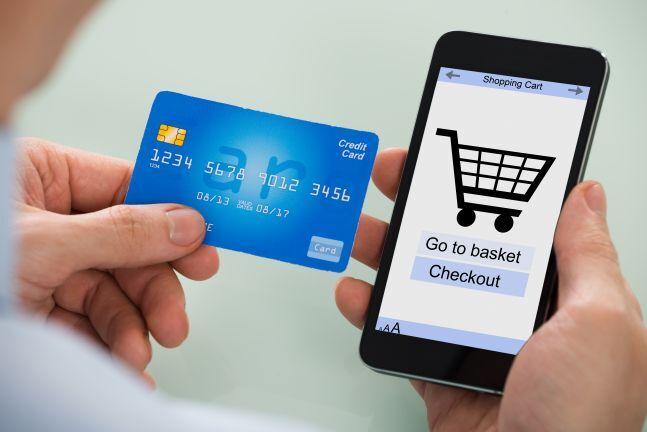
Hello. This is JH from My Korean Guide.
Korea is often described as one of the most advanced, cashless societies in the world.
That description is accurate — but only if you use Korea’s own payment ecosystem.
For foreign travelers, payment in Korea can feel inconsistent:
This guide explains how payment actually works in Korea, step by step —
from international cards to Korea’s dominant local wallets..
The most important payment method for travelers
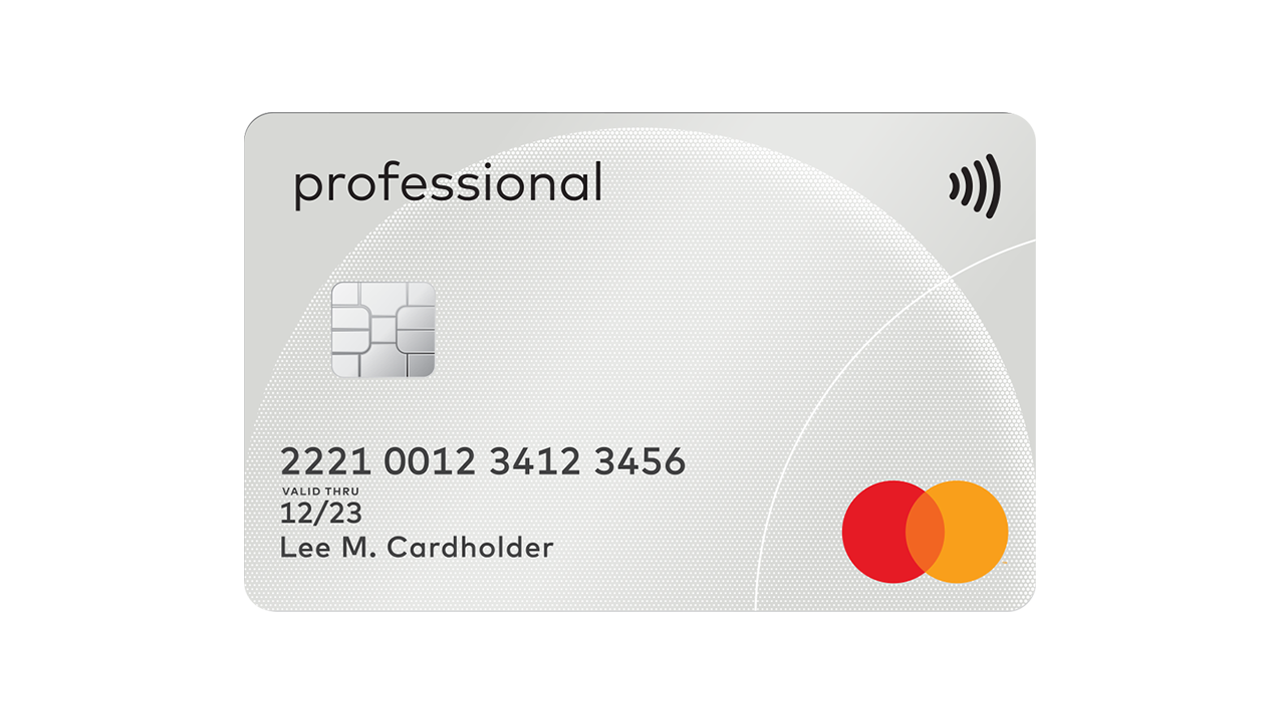
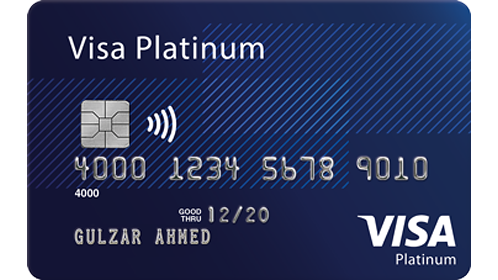
Visa and Mastercard are the most important payment tools for visitors to Korea.
Almost every payment a foreign traveler successfully makes is routed through one of these two networks.
Korean card terminals and online gateways are fully compatible with:
This makes them usable for:
Even when a site “accepts cards,” problems happen because:
🔗 Official sites
Traveler takeaway:
Visa or Mastercard is not optional in Korea — it is your baseline survival tool.
Works, but very limited

PayPal is widely trusted in the US and Europe, but in Korea it plays a minor, supporting role.
Korea built its digital economy before PayPal became global.
Instead of outsourcing payments, Korean platforms developed:
As a result, most Korean companies never integrated PayPal.
🔗 Official site
Traveler takeaway:
PayPal is safe to bring — but never rely on it alone in Korea.
Growing fast, but still incomplete
Apple Pay entered Korea relatively late, but adoption is growing steadily.
You’ll often see Apple Pay working at:
🔗 Official site
Traveler takeaway:
Apple Pay is a useful enhancement, not a replacement for cards..
Almost unusable in Korea

Google Pay exists in Korea on paper, but almost no infrastructure was built around it.
🔗 Official site
Traveler takeaway:
For Korea, do not plan around Google Pay.
Most Koreans never use PayPal, Apple Pay, or Google Pay.
Instead, Korea operates on a domestic-first payment ecosystem, built around:
Understanding these explains why foreign payments sometimes fail.
The backbone of Korean offline payments


Samsung Pay dominates Korea because it works differently from other wallets.
🔗 Official site
Traveler takeaway:
Samsung Pay explains why Korea feels cashless — but it’s a locals-only system.
Everyday QR payments for locals

Kakao Pay is built into KakaoTalk, which nearly every Korean uses.
🔗 Official site
Traveler takeaway:
Kakao Pay powers daily Korean life — but excludes short-term visitors.
The dominant online payment system

If a Korean website rejects your foreign card,
it often means only Naver Pay is supported.
🔗 Official site:
Bottom line:
Naver Pay is a major reason foreign cards get rejected online.
For foreign travelers, this combination works best:
✔️ Visa or Mastercard (physical card)
✔️ Apple Pay (optional)
✔️ Samsung Pay (optional)
➕ PayPal (backup only)
If a payment fails, it’s usually not your fault —
it’s because the system expects Samsung Pay, Kakao Pay, or Naver Pay.
Physical cards or Samsung/Apple Pay are the most useful payment methods.
Korea isn’t unfriendly to foreign payments.
It simply has one of the strongest local payment ecosystems in the world.
Once you understand that, traveling in Korea becomes much easier.