Physical Address
304 North Cardinal St.
Dorchester Center, MA 02124
Physical Address
304 North Cardinal St.
Dorchester Center, MA 02124

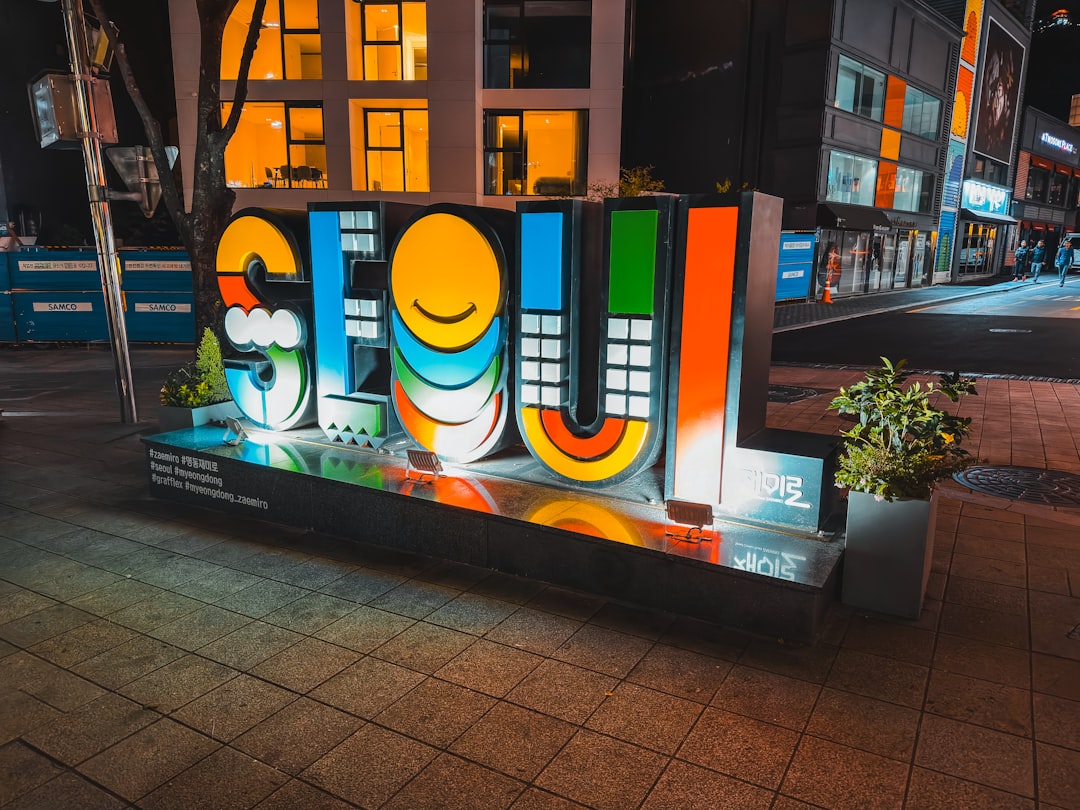
Complete Seoul travel guide hidden gems & famous attractions. Discover 55 must-visit spots from palaces to local favorites. Start planning!
Hello. This is JH from My Korean Guide.
Did you know that Seoul has over 600 temples, 1,000 parks, and countless neighborhoods, yet most tourists only visit the same 10 famous spots? While Gyeongbokgung Palace and Myeongdong are incredible, Seoul’s true magic lies in its hidden corners where locals actually spend their time.
After living in Seoul for over five years and exploring every district, I’ve compiled the ultimate Seoul travel guide hidden gems list alongside the must-see attractions. Whether you’re planning your first visit or returning to discover more, this comprehensive Seoul travel guide hidden gems approach covers 55 incredible places that showcase both Seoul’s iconic landmarks and its best-kept secrets.
Seoul is a city of layers. The surface reveals gleaming skyscrapers, grand palaces, and bustling shopping districts. But dig deeper, and you’ll find rooftop gardens in the middle of concrete jungles, traditional hanok villages tucked between modern apartments, and local markets serving food that hasn’t changed in decades.
Most visitors spend 3-5 days in Seoul, hitting the major attractions and leaving with beautiful photos but missing the city’s soul. This Seoul travel guide hidden gems approach ensures you experience both the iconic and the intimate, giving you stories that go beyond typical tourist experiences.
The recent surge in Seoul’s popularity means hidden spots won’t stay secret forever. Now is the perfect time to explore before they become overcrowded.
Gyeongbokgung Palace remains Seoul’s crown jewel. Visit during the changing of the guard ceremony at 10 AM, 2 PM, or 3:30 PM for the full experience. Pro tip: rent a hanbok nearby for discounted entry and incredible photos.
Bukchon Hanok Village showcases traditional Korean architecture, but visit early morning or late afternoon to avoid crowds and harsh lighting. The view from Bukchon 8-gil is Instagram gold.
Jogyesa Temple offers a peaceful escape in the city center. During lotus lantern season (spring), the temple transforms into a colorful wonderland.
For a comprehensive overview of all Seoul’s major attractions organized by district, check out our Complete Seoul Attractions Guide: 55 Must-Visit Spots by Area.
Dongdaemun Design Plaza (DDP) represents Seoul’s futuristic side. The LED rose garden lights up after sunset, creating a surreal landscape perfect for evening photography.
Lotte World Tower provides Seoul’s best city views from the observation deck on floors 117-123. Book tickets online for better prices and skip the lines.
Hongdae area pulses with youth culture, street performances, and Seoul’s best nightlife. Thursday through Saturday nights offer the most energy.
Seoul Forest Deer Park lets you feed real deer in the middle of the city. Most tourists miss this because it’s slightly outside central Seoul, but it’s easily accessible via subway.
Banpo Rainbow Bridge creates a magical water and light show every evening. Locals picnic on the grass while watching the 20-minute display.
World Cup Park spans five themed areas, including Sky Park with silver grass that turns golden in autumn. The sunset views rival any expensive restaurant.
Common Ground is Asia’s largest pop-up mall made entirely from shipping containers. This Seoul travel guide hidden gems favorite hosts rotating shops, cafes, and events.
D.Museum focuses on contemporary design and digital art. Small but cutting-edge, it showcases Korea’s creative future.
Seongsu-dong has transformed from an industrial area into Seoul’s Brooklyn. Vintage shops, artisan coffee, and converted warehouse galleries fill the streets.
Gwangjang Market serves Seoul’s best bindaetteok (mung bean pancakes) and mayak gimbap (mini rice rolls). Skip the tourist sections and head where locals line up.
Mangwon Market offers authentic Korean market experience without tourist markup. Try the hotteok (sweet pancakes) and fresh kimchi.
Noryangjin Fish Market operates 24/7. Buy fresh seafood downstairs, then have it prepared upstairs. The experience beats any fancy restaurant.
Bongeunsa Temple sits in Gangnam’s shadow, providing spiritual contrast to the district’s materialism. The giant Buddha statue overlooks the skyscrapers.
COEX Starfield Library creates an otherworldly reading experience with floor-to-ceiling books and dramatic lighting.
Apgujeong Rodeo Street showcases high-end Korean fashion and beauty trends before they go global.
Itaewon Global Village Festival happens annually, but the neighborhood’s international restaurants and bars operate year-round.
War Memorial of Korea provides crucial historical context, often overlooked by visitors focused on modern Seoul.
Haebangchon (HBC) climbs the hillside with eclectic cafes, international restaurants, and artistic spaces in converted houses.
Hongik University area extends beyond the famous Hongdae nightlife into quieter streets with independent bookstores and art galleries.
Hapjeong offers Hongdae’s creative energy with fewer crowds and better prices.
Sangam Digital Media City showcases Seoul’s tech future with broadcasting companies and digital entertainment venues.
Cherry blossom season transforms Seoul, but locals know the best spots: Ttukseom Hangang Park, Children’s Grand Park, and Seoul National Cemetery offer spectacular blooms without Yeouido’s crowds.
Banpo Hangang Park hosts outdoor cinema and music festivals. Seoul City Wall hiking provides cooler temperatures and city views.
Namsan Park and Olympic Park explode with fall colors. Seoul Folk Flea Market operates weekends with vintage treasures and street food.
Seoul Plaza Ice Skating offers affordable fun in the city center. Cheonggyecheon Stream lights up with winter illuminations.
For those looking to extend their Seoul experience, consider our Korea Staycation Guide: Perfect Hotels & Local Experiences for unique accommodation options that let you live like a local.
Seoul’s subway system connects all these locations efficiently. Purchase a T-money card for seamless transfers between subway, bus, and some taxis. Download Citymapper or Subway Korea apps for English navigation.
Walking between nearby attractions saves money and reveals street-level discoveries. Seoul is surprisingly walkable, especially areas like Myeongdong to Namsan, or Hongdae to Hapjeong.
Kakao T taxi app works like Uber but with local drivers. Essential for late-night returns or reaching locations slightly off subway lines.
Start early to beat crowds at famous attractions, then spend afternoons exploring hidden neighborhoods. Many temples and palaces open at sunrise, providing magical lighting and peaceful experiences.
Learn basic Korean phrases or download Papago translation app. Locals appreciate efforts to communicate and often provide better recommendations.
Budget mix of expensive must-sees with free hidden gems. Seoul offers incredible experiences at every price point.
This Seoul travel guide hidden gems approach ensures you’ll discover Seoul’s full personality. The city rewards curious travelers who venture beyond obvious tourist zones with authentic experiences and lasting memories that showcase both famous landmarks and the Seoul travel guide hidden gems that make this city truly special.
• Combine famous attractions like Gyeongbokgung Palace with hidden spots like Seoul Forest Deer Park
• Explore diverse neighborhoods from traditional Bukchon to creative Seongsu-dong
• Visit local markets like Gwangjang and Mangwon for authentic food experiences
• Use Seoul’s excellent subway system and walk between nearby attractions
• Time visits seasonally for cherry blossoms, festivals, or winter illuminations