Physical Address
304 North Cardinal St.
Dorchester Center, MA 02124
Physical Address
304 North Cardinal St.
Dorchester Center, MA 02124

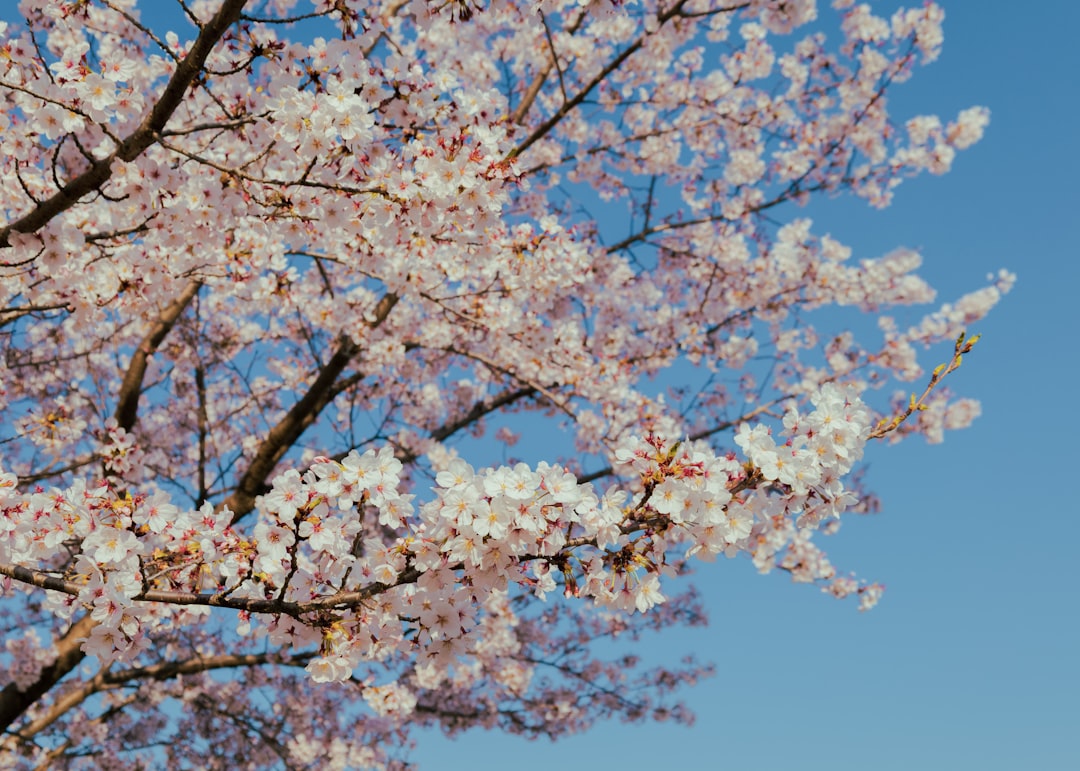
Complete guide to Korea cherry blossom season - best viewing spots, exact timing, crowd tips, and practical travel advice. Plan your perfect trip!
Hello. This is JH from My Korean Guide.
Every morning in early April, my neighbor checks her weather app twice — once for rain, once for wind speed. She’s been planning her cherry blossom picnic for weeks, and in Seoul, you get maybe 10 perfect days before the petals start falling.
Korea cherry blossom season moves fast and demands careful planning. The blooms chase spring north from Jeju Island in late March to Seoul by early April, lasting just 1-2 weeks per location. Miss the timing, and you’re looking at bare branches and pink carpets on the ground.
Jeju Island kicks off Korea cherry blossom season in late March. King Cherry trees along Jeonnong-ro in Seogwipo bloom first, usually around March 25-30. The drive from Seogwipo to Hallim takes you through tunnels of white and pink blossoms that feel almost artificial in their perfection.
Busan and southern cities follow in early April. Oncheoncheon Stream runs through the city with a 4-kilometer cherry tree path that locals use for evening walks. The Busan Cinema Center area transforms into an outdoor party space where families spread mats under the trees and share kimbap.
Seoul typically peaks between April 8-15, though climate shifts have made this less predictable. Yeouido Park packs shoulder-to-shoulder on weekends, but the real magic happens at Seokchon Lake. The trees reflect perfectly in the water, and you can grab coffee from one of the surrounding cafes to sip while walking the 2.4-kilometer loop.
Northern areas like Sokcho and the DMZ region bloom last, usually mid to late April. The cherry trees at Seoraksan National Park entrance bloom against mountain backdrops, though you’ll need to hike 30 minutes from the parking area to avoid the tour groups.
In Seoul, Banpo Hangang Park offers something different — night cherry blossom viewing. The LED lights along the Han River illuminate the trees after sunset, and convenience store beer costs just 2,000 KRW ($1.50). Take Line 3 to Express Bus Terminal Station, Exit 8-1, then walk 15 minutes toward the river.
Namsan Seoul Tower area has cherry trees scattered along the walking paths, but the real payoff is the view from N Seoul Tower (14,000 KRW / $10.50 for adults). On clear days, you can see pink patches across the entire city below.
For day trips from Seoul, Jinhae Naval Port Festival runs for 10 days in early April. Jinhae claims 350,000 cherry trees throughout the city, turning every street into a tunnel of blossoms. The KTX from Seoul to Masan takes 3 hours (52,800 KRW / $39.50), then a 30-minute bus to Jinhae.
Gyeongju combines cherry blossoms with historical sites. Bulguksa Temple has cherry trees planted throughout its grounds, and the contrast between pink petals and traditional wooden buildings creates the postcard shots everyone wants. Temple admission is 6,000 KRW ($4.50).
For comprehensive information about timing and additional locations, check out our Complete Cherry Blossom Korea Guide: Best Spots & Timing 2024.
Weather determines everything during the blooming period. One afternoon of heavy rain or strong wind can strip trees bare overnight. Check forecasts obsessively, and have backup indoor plans ready.
Crowd management matters more than perfect timing. Seoul’s famous spots become unusable on sunny weekend afternoons. Visit weekday mornings before 10am, or go after 6pm when families start heading home. The lighting is better anyway — harsh midday sun washes out the pink tones.
Transportation gets complicated during peak bloom weekends. Yeouido Station becomes a bottleneck with 20-minute waits just to exit. Consider getting off at Noryangjin Station instead and walking 15 minutes across Banpo Bridge.
Picnic supplies are essential Korean cherry blossom culture. Convenience stores near popular spots jack up prices — a basic kimbap that usually costs 2,500 KRW ($1.90) hits 4,000 KRW ($3.00) at 7-Eleven near Yeouido Park. Stock up beforehand at regular supermarkets.
Photography timing works best during the “golden hour” just before sunset. The pink petals glow instead of looking washed out, and you avoid the harsh shadows that ruin group photos. Most Korean families know this, so expect company during these prime hours.
Local festivals pop up wherever cherry trees bloom. These aren’t tourist productions — they’re neighborhood events with makeshift food stalls selling hotteok (sweet pancakes) for 3,000 KRW ($2.25) and families claiming picnic spots at sunrise.
If you’re planning to stay overnight during the season, our Korea Staycation Guide: Perfect Hotels & Local Experiences can help you find accommodations near the best viewing spots.
Temple visits during cherry blossom season offer a quieter alternative. Bongeunsa Temple in Gangnam has cherry trees scattered throughout, and the 20-minute temple stay experience (free, offered at 2pm daily) includes tea ceremony under the blossoms.
Night viewing extends your options beyond daylight hours. Many parks install temporary lighting during peak season. Banpo Rainbow Bridge fountain shows run every 20 minutes from sunset to 10pm, with cherry blossoms as a backdrop.
Don’t miss the seasonal food traditions that accompany the blooms. Our Korean Cherry Blossom Foods: Complete Spring Festival Guide covers all the special dishes and treats you’ll find during this time.
The key to enjoying Korea cherry blossom season isn’t chasing the perfect Instagram shot — it’s understanding that Koreans treat this as family time. Pack snacks, bring a mat, and plan to sit for a while rather than rushing between locations.
Quick Summary
• Cherry blossoms bloom late March in Jeju, early April in Seoul, lasting 1-2 weeks per location
• Visit weekday mornings or after 6pm to avoid overwhelming crowds
• Yeouido Park and Seokchon Lake offer Seoul’s best combination of access and scenery
• Weather can end blooming season overnight — check forecasts constantly
• Bring picnic supplies and plan to sit rather than constantly moving between spots