Physical Address
304 North Cardinal St.
Dorchester Center, MA 02124
Physical Address
304 North Cardinal St.
Dorchester Center, MA 02124

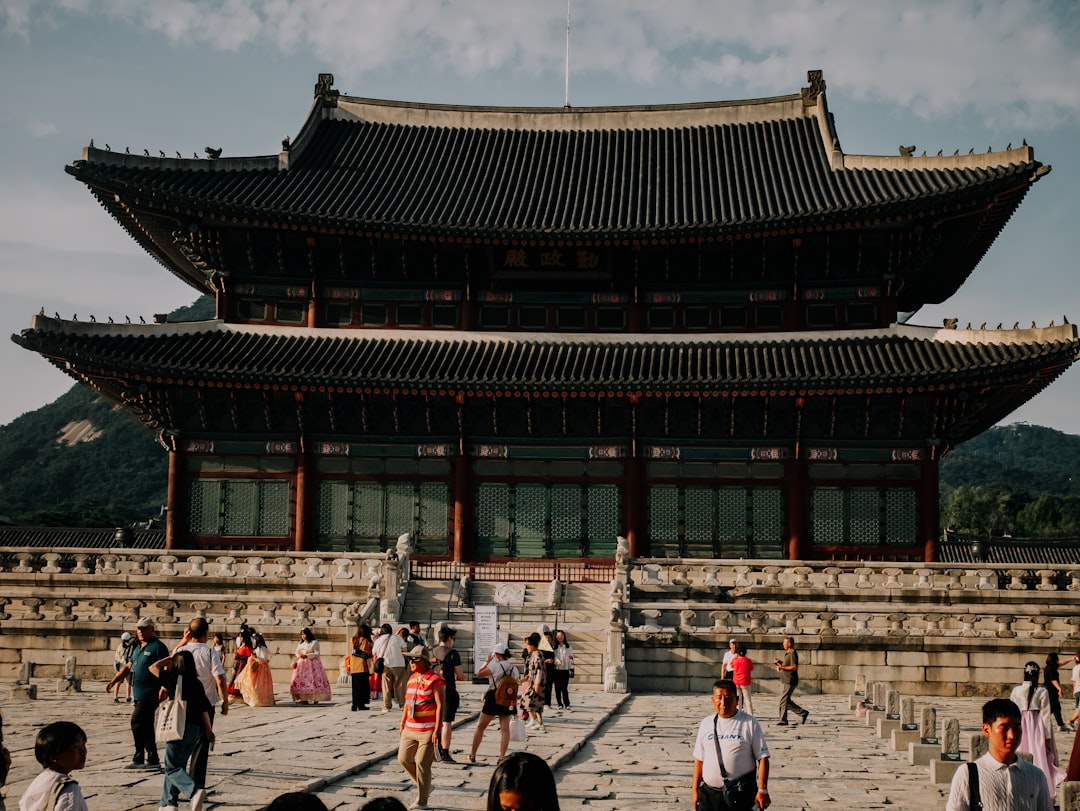
Complete Korean temple stay guide covering booking, daily schedules, costs, and cultural tips for authentic Buddhist experiences. Plan your visit!
Hello. This is JH from My Korean Guide.
At 4:30am, the wooden clapper echoes through Jogyesa Temple in central Seoul. You stumble out of your sleeping mat, still adjusting to the rhythm that Buddhist monks have followed for centuries. Your phone buzzes with a message from home, but here, checking it feels oddly out of place.
With Korea logging a record 4.76 million foreign visitors in the first quarter of 2026 alone, temple stays have become one of the most sought-after authentic experiences. But unlike checking into a hotel, this Korean temple stay guide will help you understand both practical logistics and cultural expectations. Here’s how to plan yours properly.
Jogyesa Temple in Seoul offers weekend programs perfect for first-timers. The two-day experience costs 70,000 KRW (about $52 USD) and includes meals, accommodation, and all activities. You sleep in the Lotus Lantern Center, a modern building behind the main temple grounds, so you get authentic practices without giving up basic comfort.
Golgulsa Temple near Gyeongju takes a different approach. Their temple stay combines traditional meditation with Sunmudo martial arts training. At 80,000 KRW ($60 USD) for two days, you’ll spend mornings in seated meditation and afternoons learning the fluid movements that monks developed centuries ago. The temple sits on a hillside dotted with cave shrines carved directly into rock.
Booking logistics work differently than hotels. Most temples require advance registration through the official Templestay website, and you’ll need to submit a short application explaining your interest. Peak seasons (spring cherry blossom time and autumn) fill up 3-4 weeks ahead. Winter programs have immediate availability but temperatures inside temple halls can drop to near-freezing.
Language considerations vary by temple. Jogyesa offers programs conducted entirely in English twice monthly. Other temples provide Korean instruction with basic English translation, which actually creates a more immersive experience if you’re comfortable with minimal verbal communication.
Evening arrival typically begins around 3pm with orientation and room assignment. You’ll receive gray temple clothing (hanbok-style pants and jacket) that everyone wears during activities. Your phone goes into a designated basket during meditation periods, though temples don’t enforce complete digital fasts.
The daily schedule starts with morning service at 4:30am. You sit on cushions in the main hall while monks chant in Sanskrit and Korean, occasionally ringing singing bowls that resonate through the wooden building. Breakfast follows at 6am – usually rice, soup, and several banchan (side dishes) eaten in complete silence.
Meditation instruction begins after breakfast. Korean Buddhist meditation focuses on 좌선 (jwaseon) – seated concentration practice. The monk demonstrates proper posture: spine straight, hands in a specific mudra position, eyes slightly open gazing downward. Sessions last 20-40 minutes with walking meditation breaks between sittings.
Temple work occupies late mornings. You might sweep courtyards, tend vegetable gardens, or help prepare lunch in the temple kitchen. This isn’t busy work – monks consider mindful labor an essential part of practice alongside formal meditation.
Tea ceremony happens in the afternoon, usually in a smaller room overlooking temple grounds. The monk demonstrates proper tea preparation while explaining basic Buddhist concepts. Questions are welcome during this time, making it the most interactive part of most programs.
What to pack fits easily in a small backpack. Bring comfortable clothes for arrival and departure, toiletries, and warm layers for early morning activities. Temples provide bedding and temple clothing, but sleeping quarters can be spartan – thin mats on heated floors are standard.
Dietary requirements center around temple food, which excludes meat, garlic, onions, and strong spices. Meals are simple but filling: vegetable soups, seasoned greens, tofu preparations, and always plenty of rice. Temple cooks accommodate vegetarian needs easily, but vegan requirements should be mentioned during booking.
Physical demands remain moderate for most programs. You’ll sit cross-legged for extended periods, walk on mountain paths, and wake very early. Temple floors are heated 온돌 (ondol) style, but buildings themselves aren’t insulated to modern standards.
Cultural etiquette matters more than perfect technique. Bow when entering shrine halls, maintain quiet voices in temple grounds, and participate sincerely even if meditation feels unfamiliar. Monks appreciate genuine effort over perfect execution of unfamiliar practices.
The monk at Jogyesa told me something during my first temple stay that stuck: “Don’t try to become Buddhist in two days. Just try to become quiet.” Whether you’re seeking spiritual insight or cultural understanding, that approach serves both goals well.
If you’re planning a broader Korea trip, consider combining your temple stay with other unique experiences. After your spiritual retreat, you might explore Seoul Travel Guide: 55 Hidden Gems & Famous Attractions or discover Complete Seoul Attractions Guide: 55 Must-Visit Spots by Area for your city adventures. For those seeking relaxation after intensive temple practices, check out our Korea Staycation Guide: Perfect Hotels & Local Experiences to unwind in comfort.
This Korean temple stay guide covers the essentials, but remember that each temple offers unique perspectives on Buddhist practice. The key is approaching your stay with openness and respect for centuries-old traditions.
Quick Summary
• Book temple stays 3-4 weeks ahead through official channels, especially during peak seasons
• Expect 4:30am wake-ups, silent meals, and basic but clean accommodations
• Programs cost 70,000-80,000 KRW ($52-60 USD) for weekend experiences including meals
• Pack light – temples provide bedding and meditation clothing
• Focus on participation over perfect technique – sincere effort matters most