Physical Address
304 North Cardinal St.
Dorchester Center, MA 02124
Physical Address
304 North Cardinal St.
Dorchester Center, MA 02124

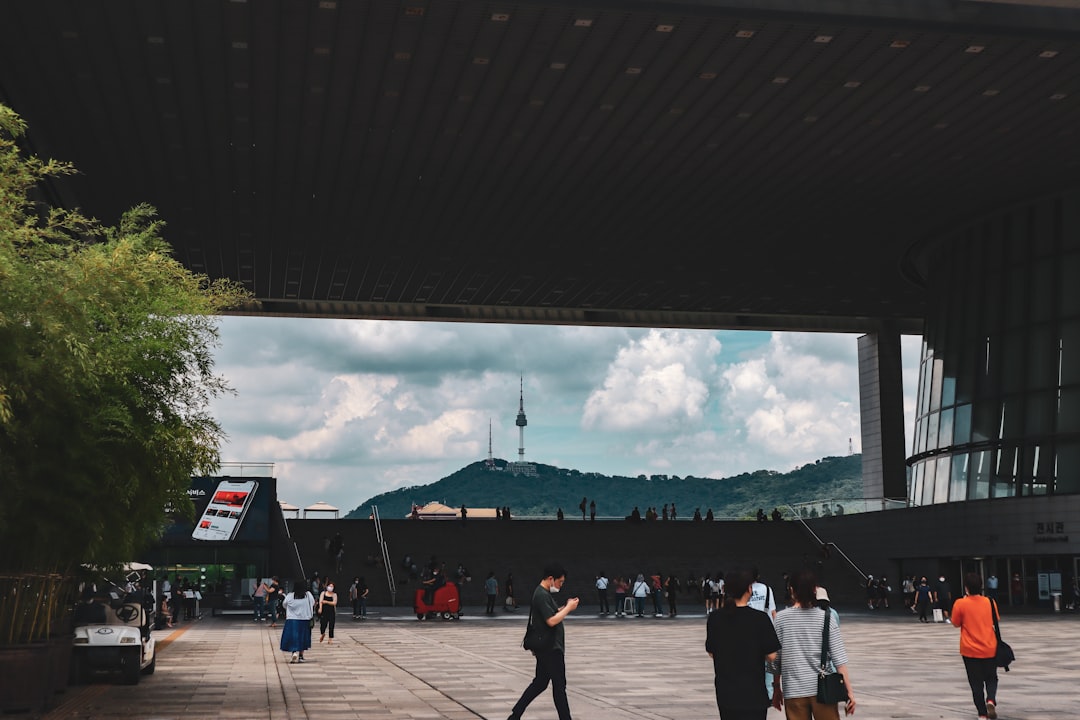
Complete korea airport guide for Incheon and Gimpo airports. Transport options, costs, layouts, and practical tips for smooth Seoul arrivals.
Hello. This is JH from My Korean Guide.
Last week I watched a family of four spend 45 minutes trying to figure out how to get from Incheon Airport to Myeongdong, bouncing between the Airport Railroad desk, taxi stand, and bus information counter. By the time they finally got on the AREX train, their excitement about visiting Korea had turned into exhaustion.
Your first hour in Korea doesn’t have to be that stressful. Whether you’re landing at Incheon International Airport or the smaller Gimpo Airport, knowing the layout and transport options beforehand makes everything smoother. This comprehensive korea airport guide covers both airports with the practical details you actually need to navigate Korea’s major gateways efficiently.
Immigration and customs move faster than they used to. The automated gates work for most passport holders now, though you’ll still need to scan your fingerprints and take a photo if it’s your first time entering Korea. The customs declaration can be done through the K-ETA app before you land, which saves about 10 minutes of form-filling.
Terminal layout matters more at Incheon because it’s massive. Most international flights arrive at Terminal 1, but some airlines like Korean Air and Delta use Terminal 2. The terminals are connected by a free train that takes 4 minutes, but if you’re picking someone up or meeting people, double-check which terminal beforehand. I’ve seen too many reunion hugs delayed by 30 minutes because of this mix-up.
WiFi and SIM cards are available right after you clear customs. The KT and SK Telecom counters sell tourist SIM cards for 33,000 KRW (about $24 USD) for 30 days of unlimited data. The free airport WiFi works well enough to call a taxi or check directions, but dies the moment you leave the building.
Money exchange happens at multiple spots, but the rates are almost identical. The Woori Bank counter near Gate 4 in the arrivals hall usually has the shortest line. They’ll exchange major currencies without any fees, and you can get smaller bills if you ask. Having 50,000 KRW in cash covers your immediate needs like subway tickets and maybe a quick meal.
Airport Railroad Express (AREX) remains the most reliable way into Seoul. The express train to Seoul Station takes 43 minutes and costs 9,500 KRW ($7 USD). Trains run every 20-40 minutes depending on the time of day. The all-stop train takes longer but costs only 4,150 KRW and stops at more stations including Hongik University and Digital Media City. Once you reach Seoul Station, you can easily connect to our Complete Korea Public Transportation Guide for Travelers for seamless city navigation.
Airport limousine buses work better if your hotel isn’t near a subway station. Bus 6001 goes to Myeongdong and Dongdaemun for 16,000 KRW, while Bus 6015 hits Gangnam and Apgujeong for the same price. The buses have luggage space underneath and run every 15-30 minutes. Traffic affects the timing, so add 30 minutes to whatever Google Maps tells you during rush hours.
Taxis from Incheon cost between 65,000-85,000 KRW to central Seoul, depending on traffic and your exact destination. The regular taxis work fine, but international taxis have drivers who speak some English and charge a flat rate to major hotel areas. You can book these at the taxi counter in arrivals or through the Kakao T app.
Gimpo handles mostly domestic flights plus some routes to Japan and China. The whole airport fits into about one-third the space of either Incheon terminal, which makes navigation simple but also means fewer food and shopping options.
Subway connection is Gimpo’s biggest advantage. Line 5 and Line 9 both stop at Gimpo Airport Station, which connects directly to the terminal. A T-money card costs 2,500 KRW for the card plus however much you load onto it. The subway ride to Hongdae takes 25 minutes and costs 1,470 KRW with the card. For detailed guidance on using Korea’s subway system, check our Korea Public Transportation Guide for First-Time Visitors.
Airport buses from Gimpo cover different routes than the Incheon buses. Bus 601 goes to Seoul Station and Myeongdong for 7,000 KRW, which is half the price of the Incheon airport bus. Bus 602 hits Gangnam and takes about 45 minutes in normal traffic.
Food and amenities are limited compared to Incheon. There’s a small food court with basic Korean dishes like bibimbap and bulgogi, plus the usual coffee shops. If you’re flying out of Gimpo, eat before you get to the airport or bring snacks, especially for early morning flights when half the restaurants are still closed.
Arrival timing depends on where you’re going next. If you’re headed to Hongdae or Mapo areas, Gimpo saves you an hour. For Gangnam, Myeongdong, or anywhere south of the Han River, both airports take roughly the same time when you factor in the subway connections.
Luggage storage exists at both airports if you have a long layover or want to explore Seoul before checking into your hotel. Incheon has more locations and bigger lockers, with prices starting at 4,000 KRW for 4 hours. Gimpo’s storage area is smaller but sufficient for most carry-on bags. If you’re visiting during spring and planning to explore the city during a layover, our Complete Cherry Blossom Korea Guide: Best Spots & Timing 2024 can help you make the most of your time.
Download apps before you need them. Kakao Map works better than Google Maps for public transport in Korea, and Papago translates Korean text through your camera. Citymapper added Seoul coverage in 2026 and includes real-time subway delays, which helps during rush hour.
The key to using either korea airport guide effectively is deciding on your transport method before you land. Standing in arrivals trying to compare bus schedules while dragging luggage gets old quickly, especially when you just want to start exploring Seoul. This korea airport guide ensures you’ll navigate both Incheon and Gimpo airports like a seasoned traveler.
Quick Summary:
• Incheon: More international flights, better facilities, 43 minutes to Seoul Station via AREX
• Gimpo: Domestic + regional flights, direct subway access, closer to western Seoul
• Both airports have reliable WiFi, money exchange, and multiple transport options
• Download Kakao Map and Papago apps, get a T-money card for subway travel
• Budget 65,000+ KRW for taxis, 4,000-16,000 KRW for public transport depending on route